Wastewater treatment
Solutions for municipal and industrial wastewater facilities.
 IWMG x LIRUNINTERNATIONAL WATER
Tailored solutions for public authorities, industry and regions facing water challenges.
AI-generated illustrative visuals.
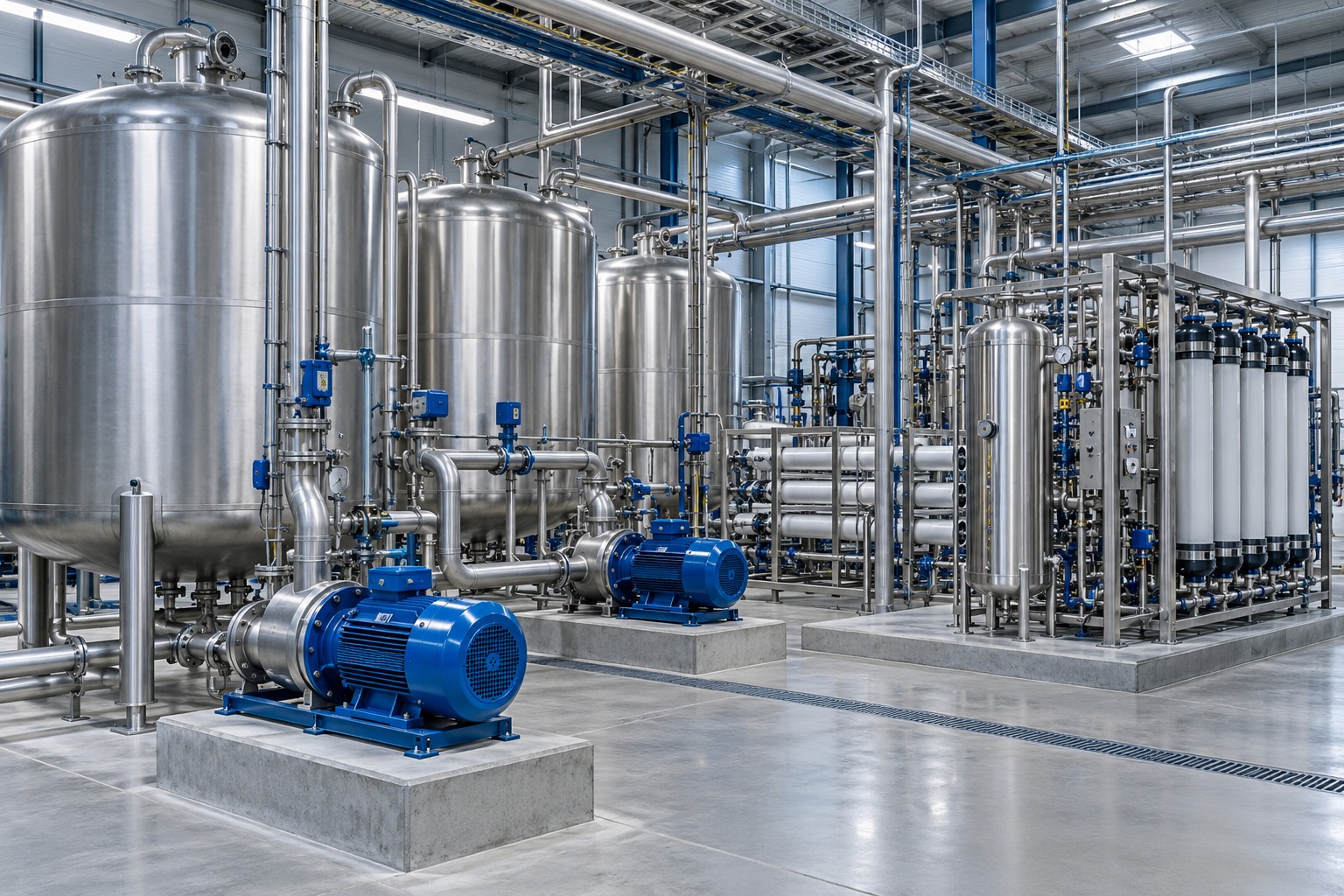
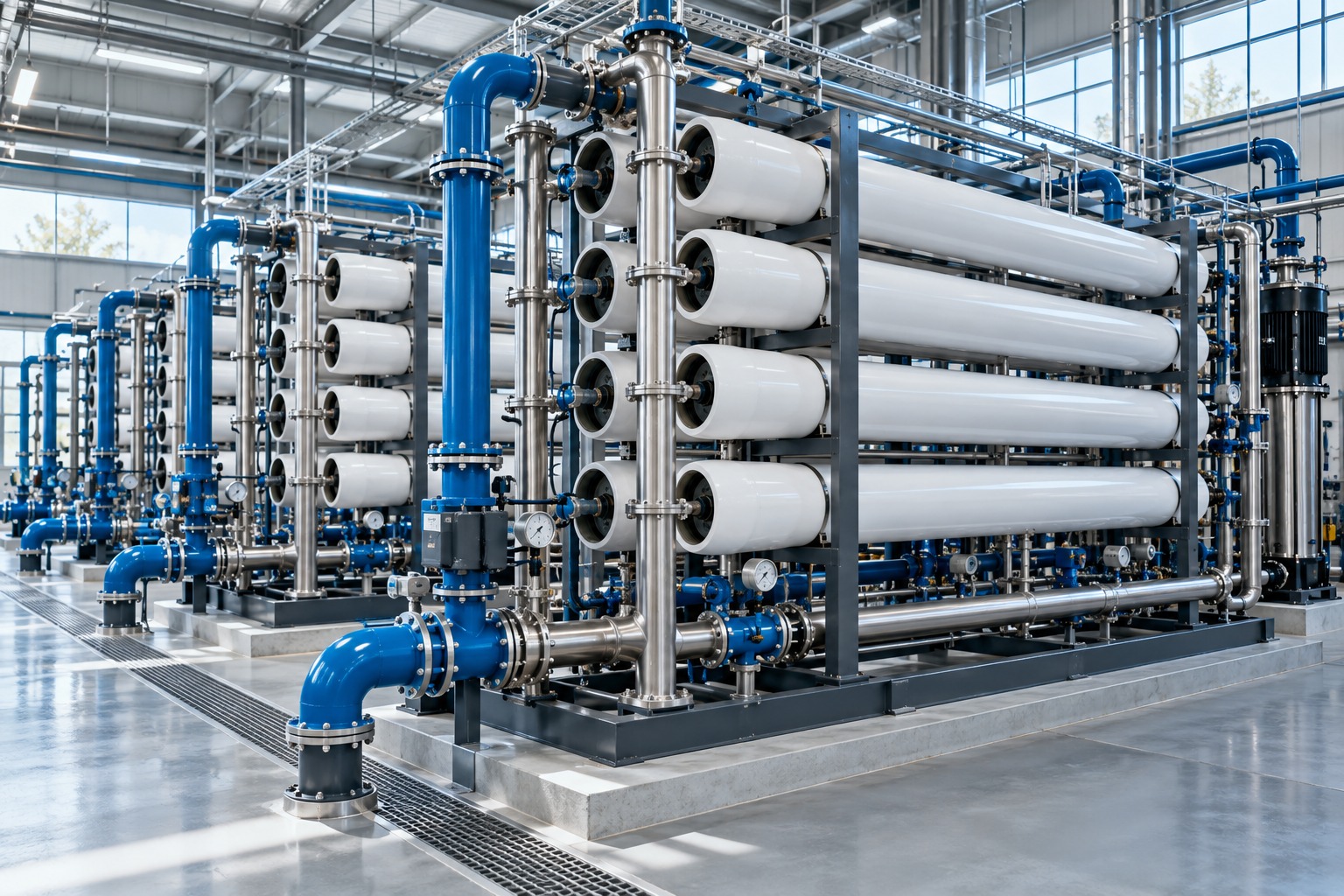
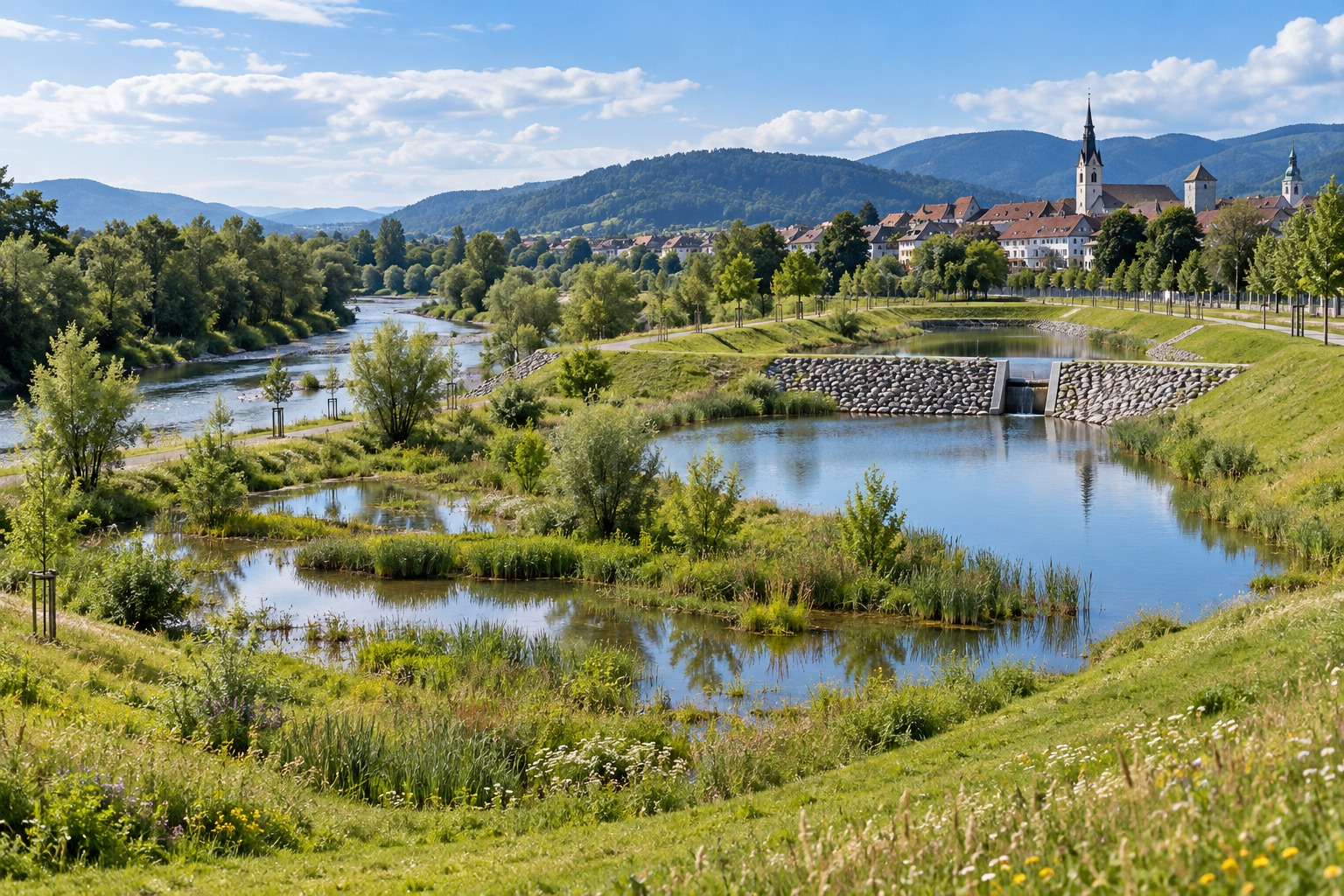
Assess risks, manage runoff and improve the resilience of communities and infrastructure.
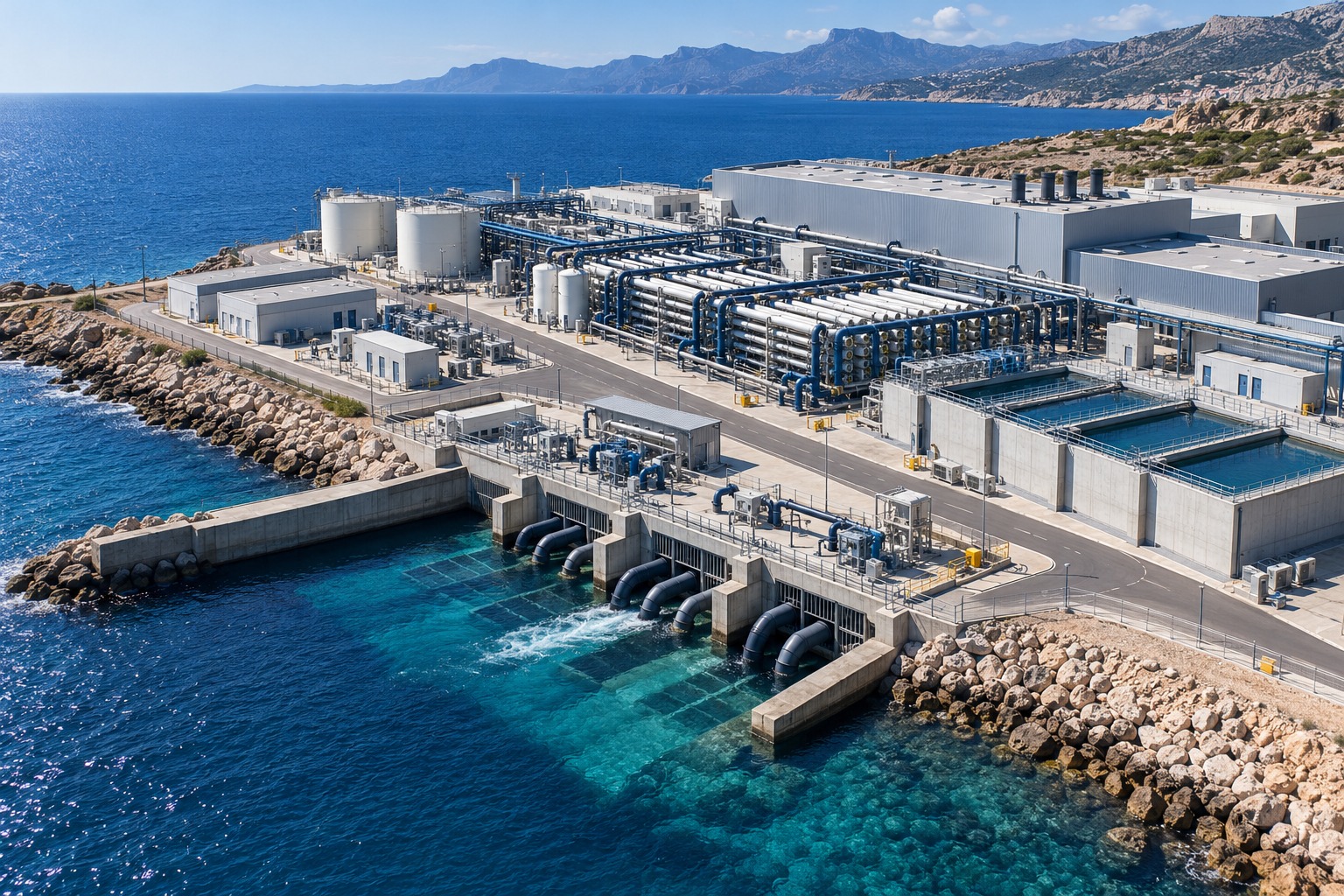
Turn saline resources into water suited to municipal and industrial needs, combining production, environmental assessment and operation.
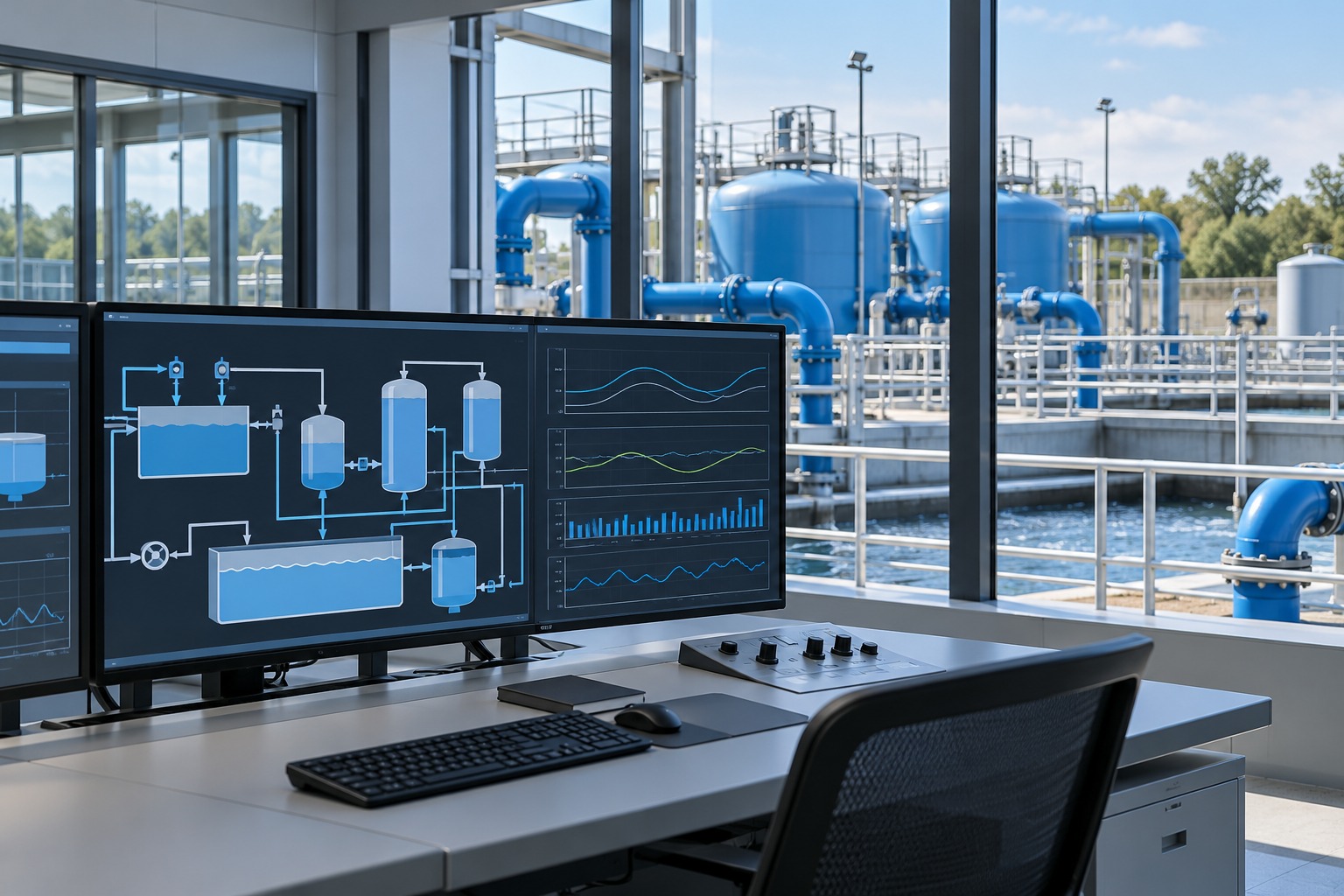
Assess salinity, temperature, seasonal variation and demand. Compare locations, production capacity and connection requirements.
Assess water intakes and marine protection measures. Filtration, clarification or ultrafiltration prepares feed water and limits fouling.
Size pumps and membranes for feed water and target quality. Modular units can support phased capacity expansion.
Plan any required post-treatment, including remineralisation and disinfection according to use. Connect production to storage and distribution.
Assess energy recovery, settings and consumption. Concentrate discharge requires assessment of receiving waters, impacts and permissions.
Plan maintenance, membrane cleaning, monitoring and replacement. Compare capital costs, operating costs and contractual options.
AI-generated illustrative visuals. Options are assessed according to the site, intended use and applicable requirements.
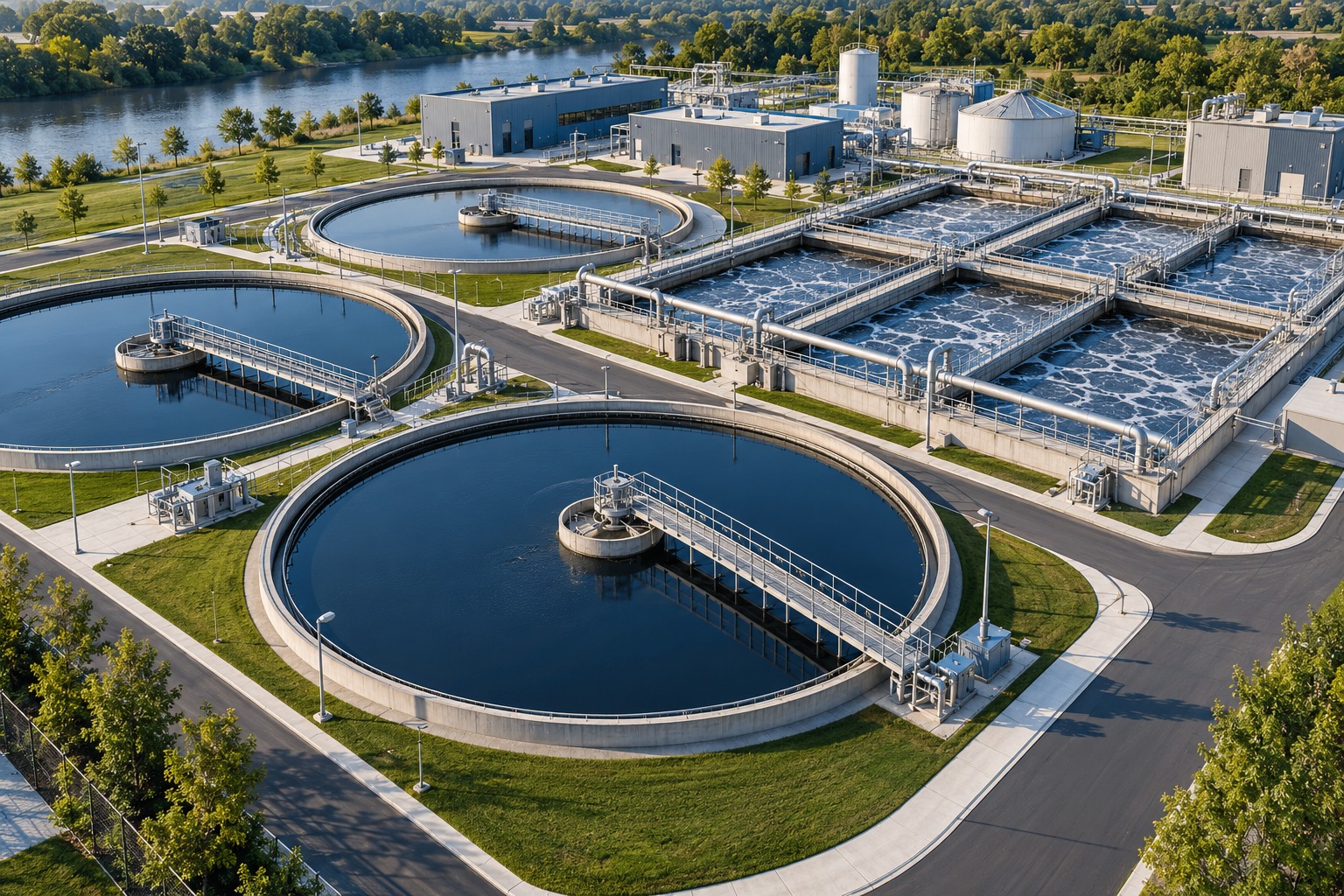
Combine suitable treatment processes to protect receiving environments and produce treated water fit for its destination.
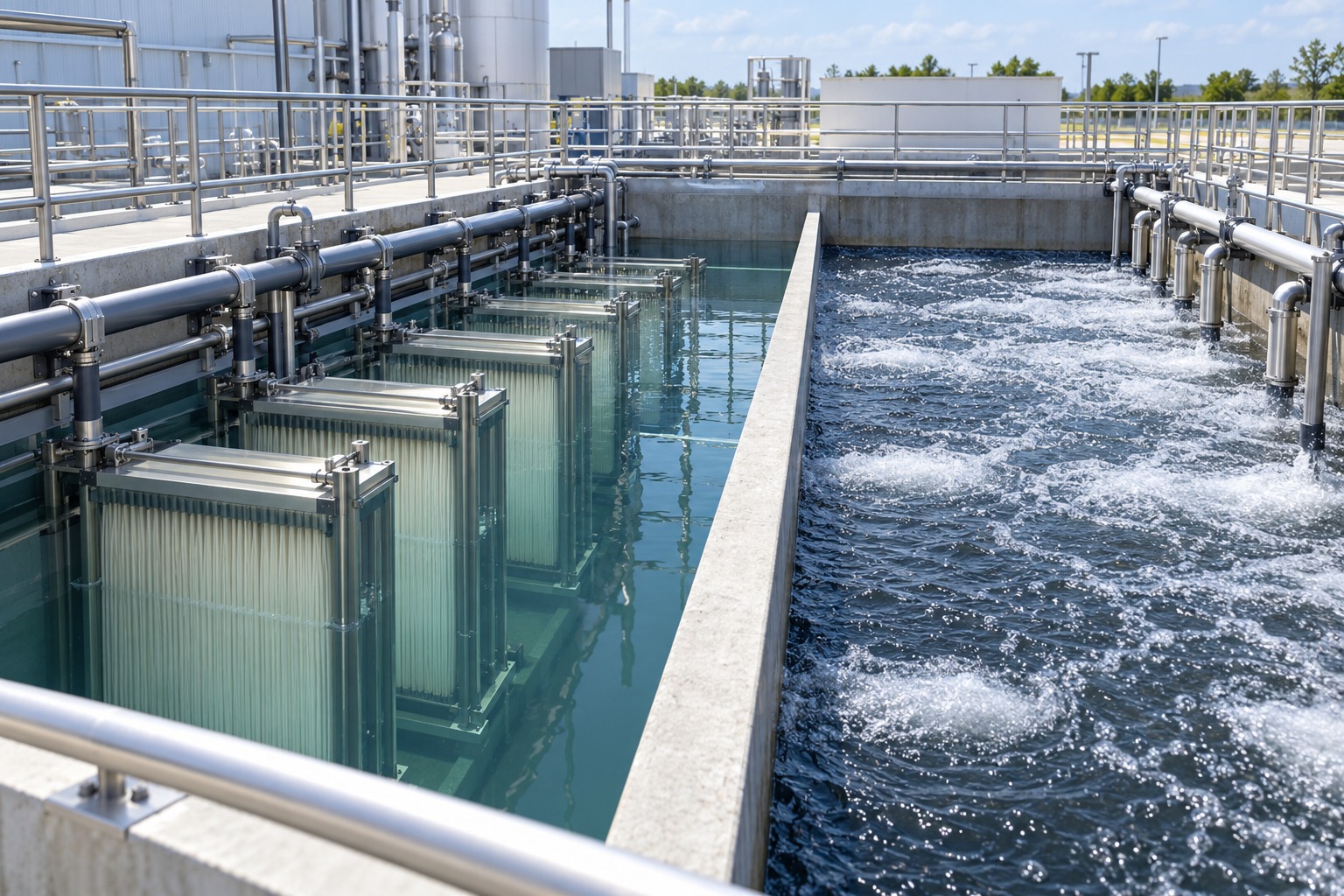
Characterise flows, pollution loads and seasonal peaks. Distinguish municipal and industrial effluent to define treatment requirements.
Screening, grit and grease removal and settling protect downstream processes. Selection depends on water composition.
Compare biological processes, tanks and membrane bioreactors. Design considers loads, available space and discharge targets.
Filtration, nutrient removal and disinfection may complete the process where required. Consider reuse needs from the design stage.
Plan thickening, dewatering and authorised recovery or disposal routes. Assess odours and potential energy recovery.
Optimise existing facilities, aeration and discharge monitoring. Maintenance and performance control support capacity changes.
AI-generated illustrative visuals. Options are assessed according to the site, intended use and applicable requirements.
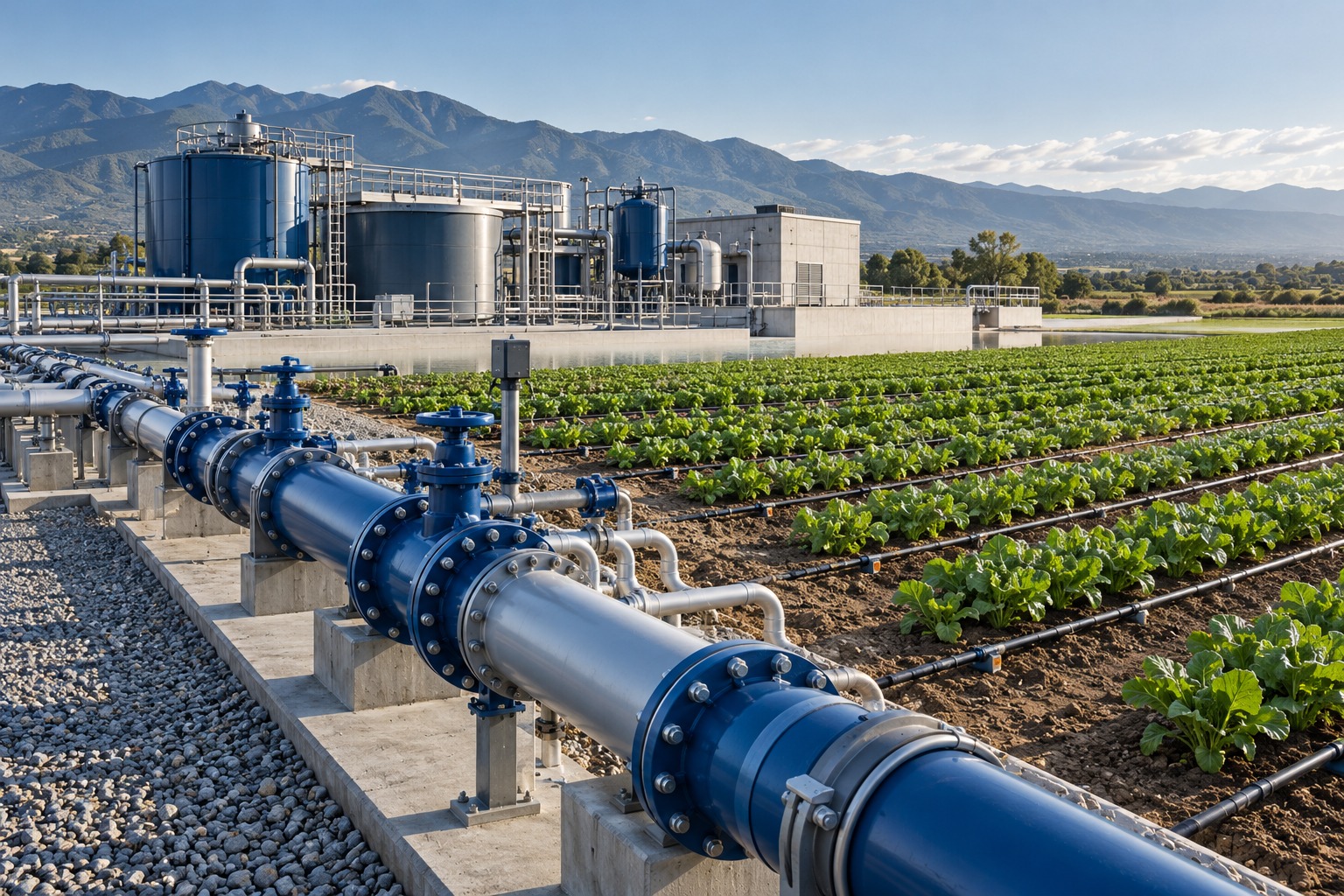
Create value from treated water through defined uses and quality matched to each application.
Assess irrigation, landscaping, cleaning and industrial needs. Match supply with demand, seasonality and users.
Select treatment barriers for the resource and exposure: filtration, membranes and disinfection where needed. Target quality guides design.
Assess tanks, pumping and distribution. Identify networks and prevent cross-connections with drinking water.
Define analyses, control points and response procedures. Monitor storage and distribution as well as treatment.
Bring authorities, industry and users together. Compare reuse with alternative resources and water-saving measures.
Check rules for the intended use. Assess costs, buyer commitments and supply continuity before deployment.
AI-generated illustrative visuals. Options are assessed according to the site, intended use and applicable requirements.
Secure water production and distribution through quality control, reliable service and reduced losses.
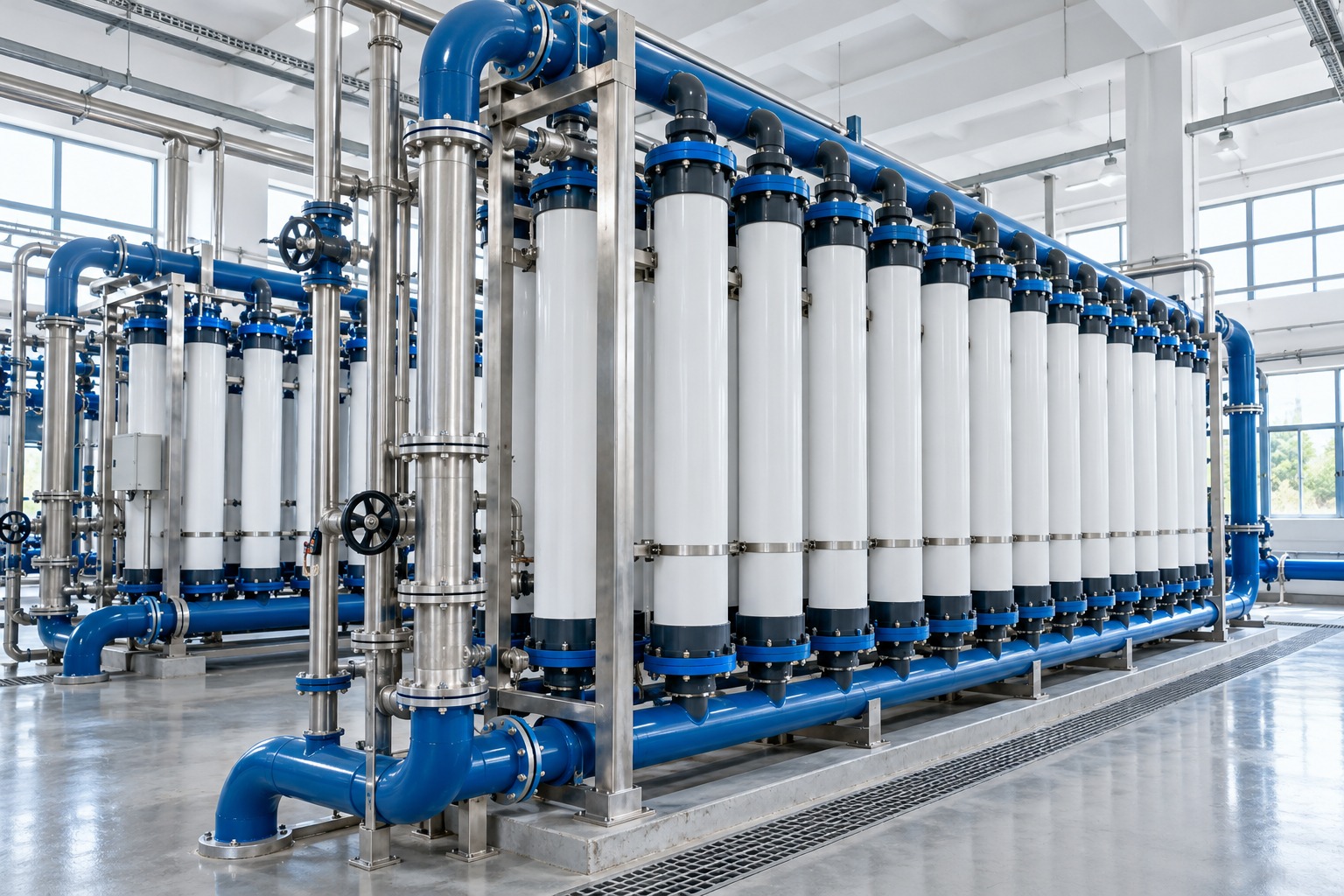
Assess source availability, quality and current and future demand. Plan diversification and drought scenarios.
Select clarification, filtration, membranes or disinfection according to raw water and quality requirements.
Size reservoirs and pumping stations for demand peaks. Assess pressure, energy consumption and backup arrangements.
Establish metering zones and detect losses. Pressure management and targeted pipe renewal support network efficiency.
Monitor quality and limit stagnation. Coordinate maintenance, flushing and interventions with operators.
Map assets and plan renewal. Interconnections, backup supply and continuity plans improve service availability.
AI-generated illustrative visuals. Options are assessed according to the site, intended use and applicable requirements.
Match water quality to processes and reduce withdrawals while managing effluent and costs.
Map consumption and flows for production, washing, cooling and boilers. Identify quality requirements and savings opportunities.
Assess softening, filtration, demineralisation or membranes according to equipment and source characteristics.
Optimise make-up water, blowdown and circuits. Manage scaling, corrosion and biological growth risks.
Separate streams where appropriate and select physical, chemical, biological or membrane processes for discharge or reuse targets.
Reuse compatible water and reduce discharge. Compare concentration and effluent reduction options by cost and impact.
Plan maintenance, backup equipment and supervision. Track consumption, quality and energy to guide improvements.
AI-generated illustrative visuals. Options are assessed according to the site, intended use and applicable requirements.
Select and combine membranes according to separation objectives, required quality and operating constraints.
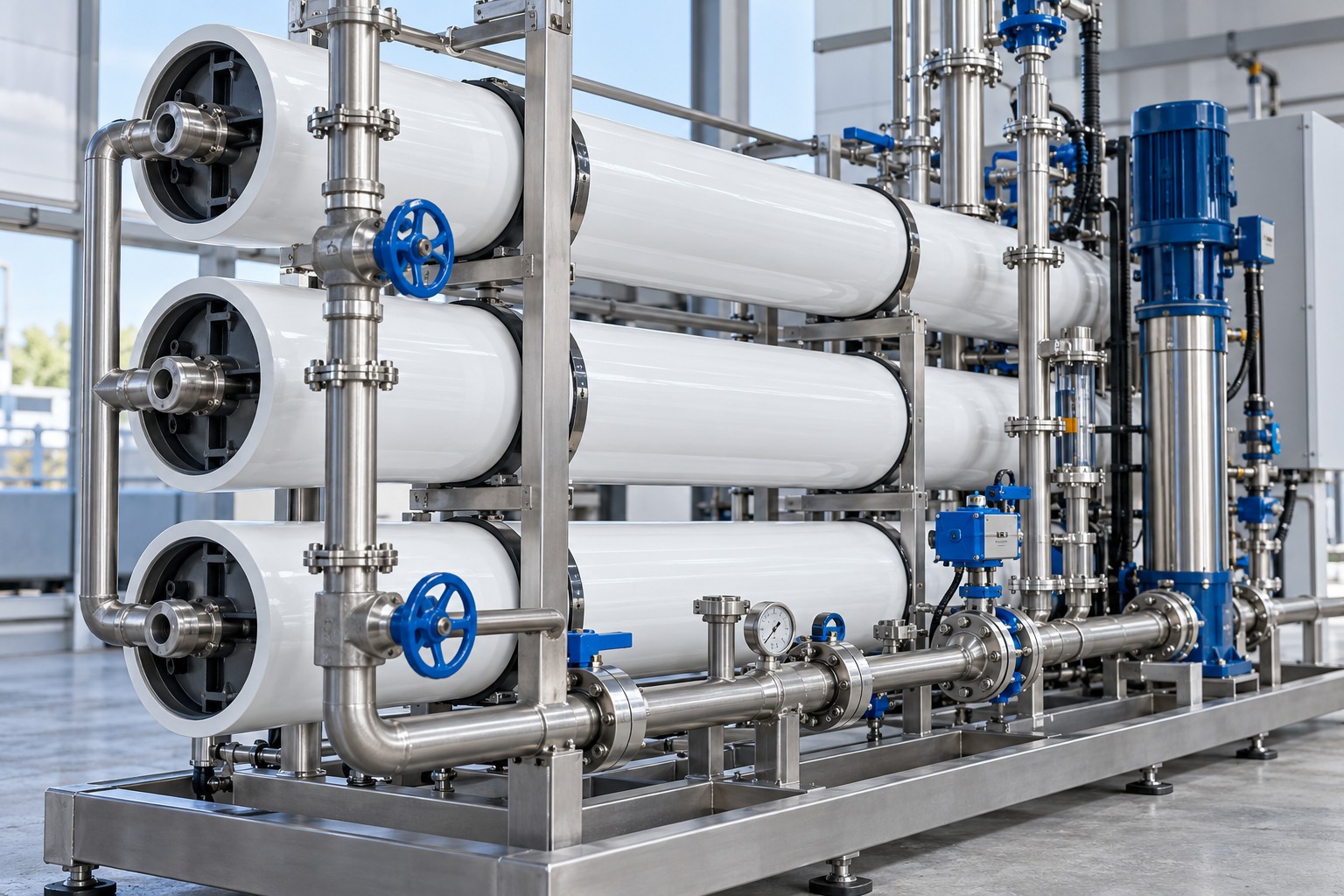
Compare microfiltration, ultrafiltration, nanofiltration and reverse osmosis. Match separation performance to feed water and intended use.
Characterise water and test operating conditions where needed. Trials guide membrane selection and design.
Reduce substances responsible for fouling. Pretreatment protects the process and stabilises operation.
Assess flows, pressure, configuration and interfaces with other steps. Allow for expansion and maintenance shutdowns.
Plan backwashing, cleaning and element replacement according to the process. Monitor pressure, flow and water quality.
Manage retained streams and cleaning water. Compare energy consumption, water recovery and lifecycle costs.
AI-generated illustrative visuals. Options are assessed according to the site, intended use and applicable requirements.
A catchment-wide approach combines prevention, protection and preparedness. The following options are selected according to local hazards, land use, environmental constraints and the responsible authorities.
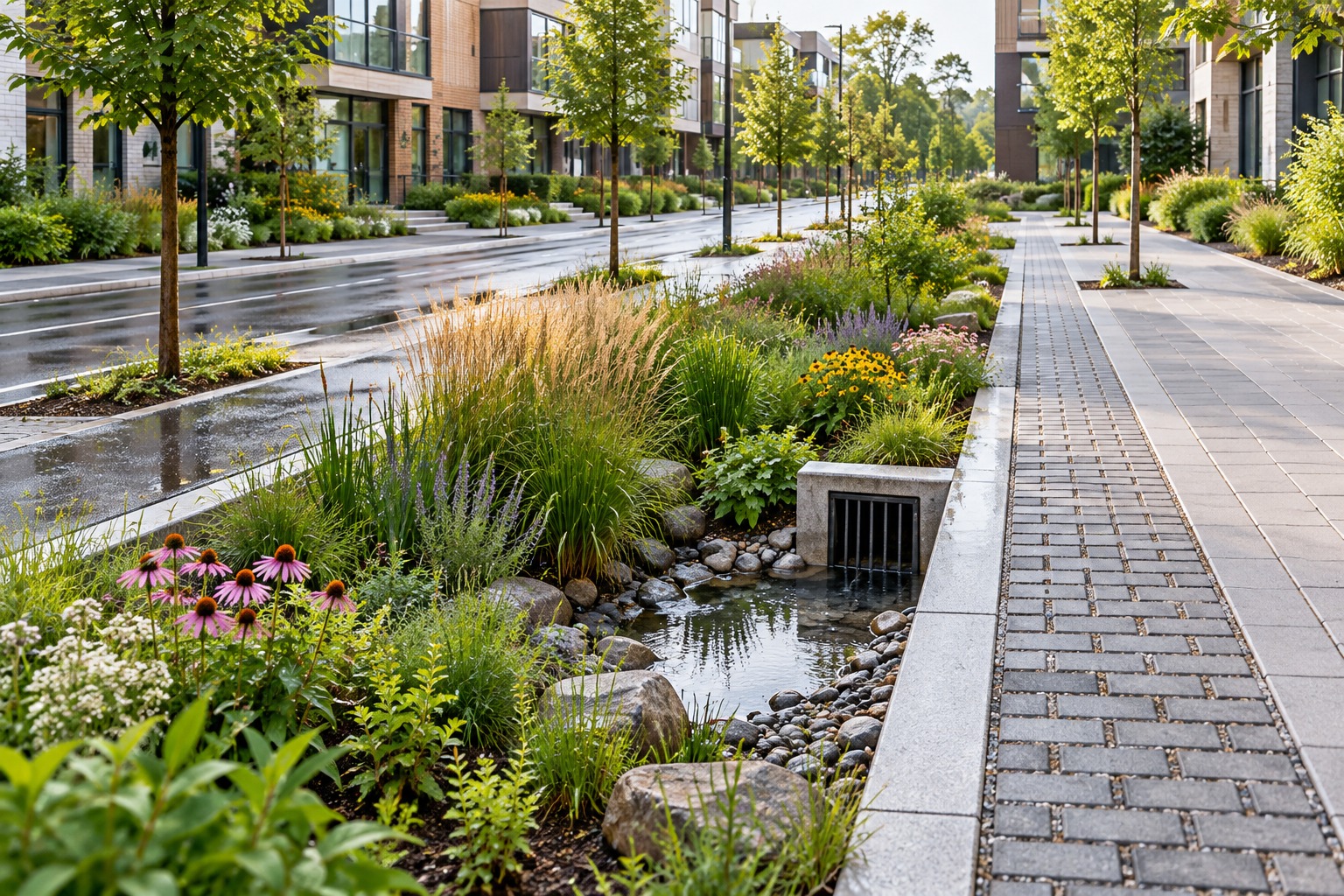
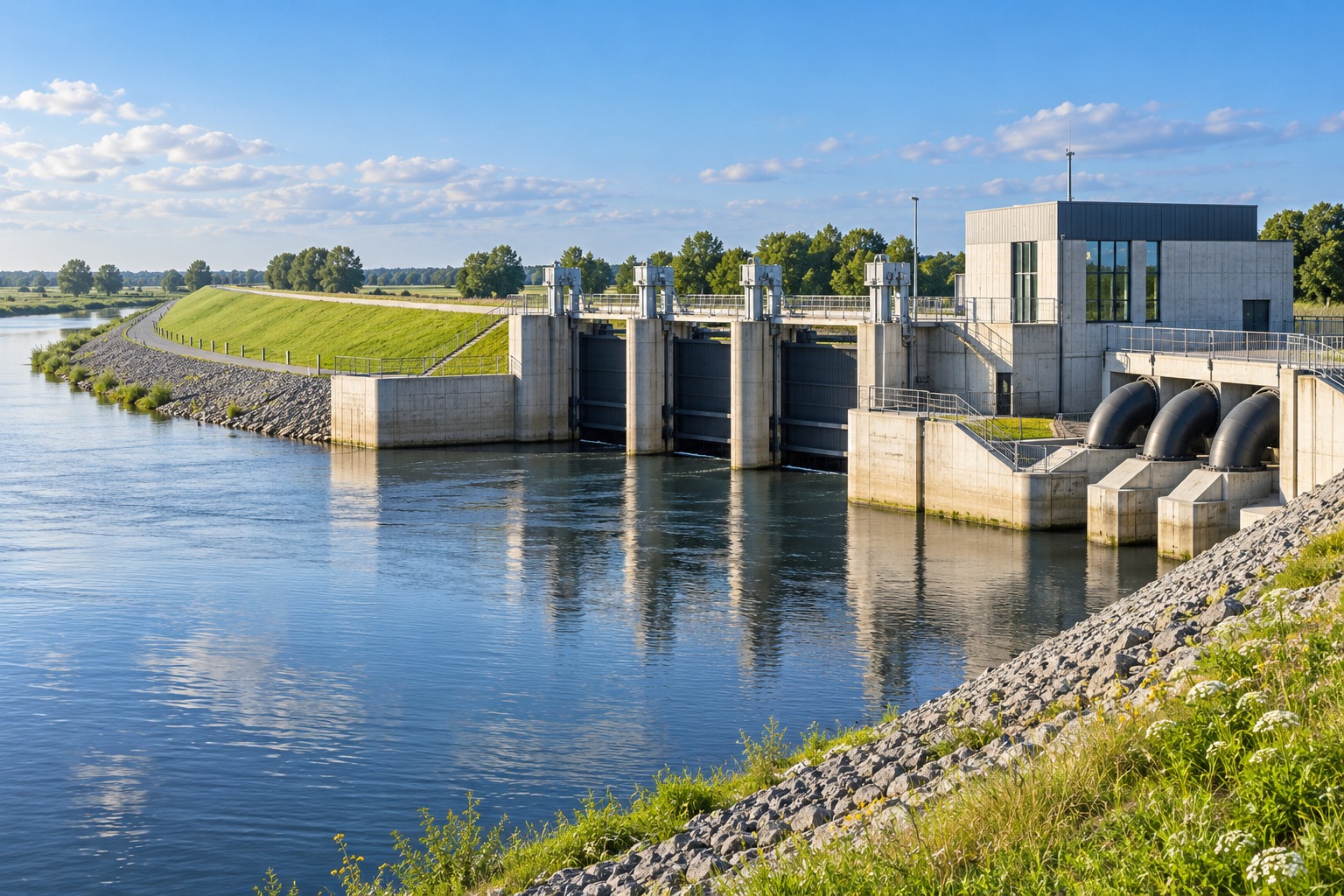
Map exposure to river flooding, surface runoff, groundwater flooding and coastal inundation. Hydrological and hydraulic studies compare options, consider climate change and prioritise vulnerable assets.
Detention basins, flow-control structures and flood storage areas temporarily hold water and slow flows towards sensitive locations. Catchment-scale design must assess downstream impacts.
Restore wetlands, reconnect floodplains, revitalise rivers and preserve hedgerows to store water and slow runoff. These approaches can combine risk reduction with environmental and biodiversity benefits alongside engineered measures.
Bioswales, rain gardens, green roofs, permeable paving and removal of sealed surfaces reduce flows entering drainage networks. Storage and infiltration depend on soils, groundwater and water quality; safe overflow routes remain necessary for exceptional rainfall.
Embankments, walls, mobile barriers, gates, non-return valves and pumping stations can protect selected areas or remove water. Structural safety, maintenance and residual risk require assessment. Coastal options also include natural defences and adapted land-use planning.
Rainfall and water-level sensors, telemetry and supervision support monitoring and planned responses. Forecasts, warning thresholds and communication are coordinated with the responsible authorities and public warning services.
Adapt buildings and sensitive sites with flood barriers, protected equipment, raised installations and secured essential networks. Business continuity plans, safety procedures, evacuation routes and exercises complement physical protection. Planning takes flood-prone areas into account.
Inspect defences, maintain drains and basins and manage blockages to preserve functionality. River maintenance and any sediment works require environmental assessment and appropriate permissions. Projects combine studies, consultation, programming, financing and performance monitoring.
AI-generated illustrative visuals. Each project requires site-specific studies; no measure eliminates all flood risk.